Introduce
Road markings act as silent conductors for urban traffic. They guide traffic flow, regulate movement and keep road users safe.
Yet traffic volumes keep rising. Natural erosion and updated road maintenance needs wear markings down. They fade, blur, and old & new lines overlap.
Poor visibility makes it hard for drivers to read markings. It also creates traffic safety risks. Roads need an efficient, eco-friendly and safe marking removal solution.
High-pressure water cleaning for road markings meets this demand. It carries unique benefits. It has replaced many older removal methods and become the industry standard. This green tech brings new vitality to urban road maintenance.
The core of high-pressure water cleaning
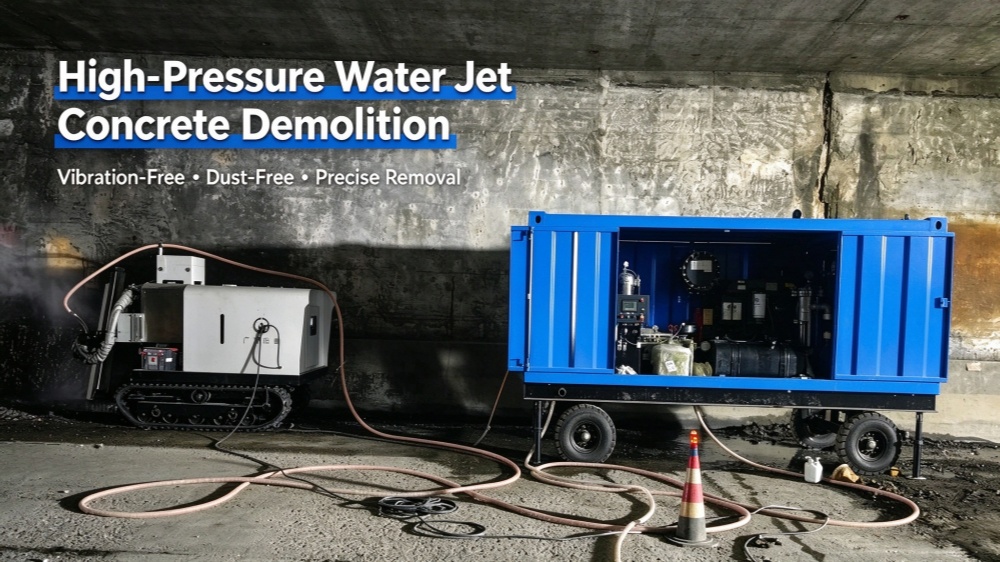
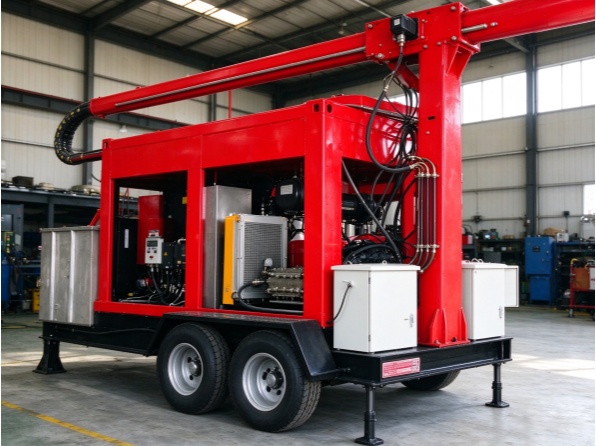
This technology relies on a high-pressure water pump. The pump pressurizes water to 150–220 MPa. Special jobs can reach up to 300 MPa.
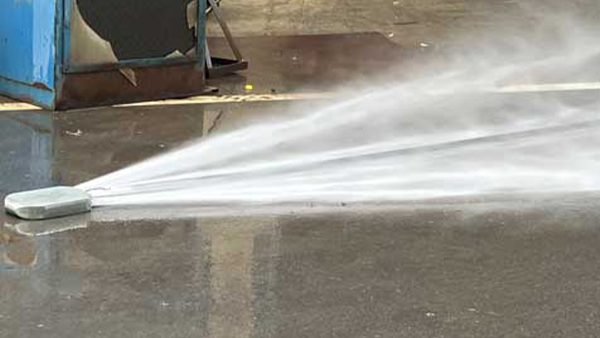
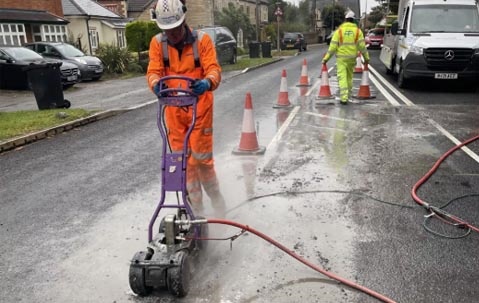
Water shoots out at high speed through a fan-shaped nozzle. The water’s impact and shear force break the bond between marking coating and pavement. The coating peels off fully without damaging the road base. It is a non-destructive physical cleaning method.
It outperforms traditional options like chemical stripping, mechanical milling and sandblasting. It avoids most flaws of older processes. Jet equipment standard committees have recognized its technical advantages.
Environmental protection
Eco-friendliness is its biggest advantage.
Traditional chemical removal uses heavy-metal agents and organic solvents. These chemicals pollute soil, water and air. They can also erode pavement and shorten road service life.
Milling and sandblasting create large amounts of dust. Dust harms construction workers and pollutes surrounding areas.
High-pressure cleaning only uses plain water. No chemical additives are needed. It produces zero dust and releases no hazardous waste.
You can collect, filter and reuse wastewater and marking debris. This eliminates secondary pollution. It fits modern green road maintenance standards.
Many districts including Changning & Chongming (Shanghai) and Xuzhou (Jiangsu) already use this method. It works well in dense cities with strict environmental rules and wins local approval.
High efficiency, speed, and no damage to the road surface
Fast operation and zero pavement damage are key selling points.
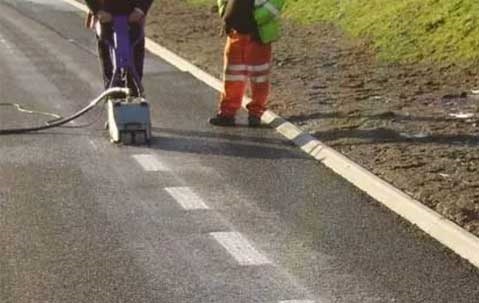
High-pressure water targets only the marking coating. It leaves asphalt, cement and other road bases untouched. The road keeps its original flatness and structural strength. You avoid pavement damage and cut later repair costs.
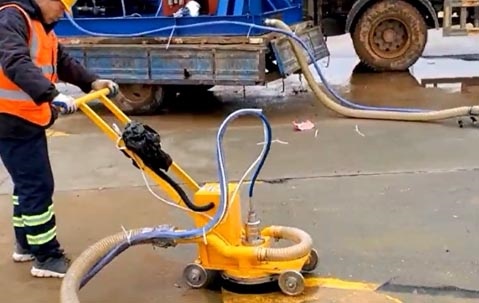
The equipment is simple to run. One operator can handle it alone. It removes hundreds of meters of marking per hour.
That speed is 10x faster than chemical stripping and multiple times faster than milling. It shortens construction windows and lowers traffic disruption. It fits busy urban roads, highways and parking lots perfectly.
Teams often work overnight (22:00 – 06:00). This keeps roads open and avoids disturbing residents.
One Changning District road renewal project is a great example. Crews stripped thousands of meters of old markings in just two days. The job created no dust and little noise.
Wide application range
Broad usability and strong economic benefits expand its use cases.
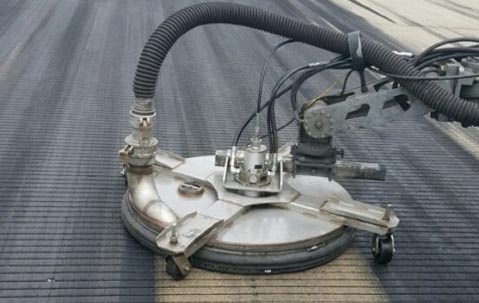
High-pressure water cleaning removes nearly all marking types: solvent-based paint, hot spray thermoplastic, waterborne coatings, and markings with reflective glass beads.
It works on asphalt and concrete pavement. You can deploy it for road renewal on city streets, highways, airport runways, industrial parks and parking lots. It even removes tricky colored hot-melt markings.
The equipment costs more upfront. But you skip repeated purchases of chemical solvents. Machines are easy to maintain and break down rarely.
Full marking removal leaves a smooth, clean base for fresh paint. New markings last longer. Overall road maintenance costs drop. The technology delivers both economic and social value. It aligns with cost-benefit research on advanced road maintenance.
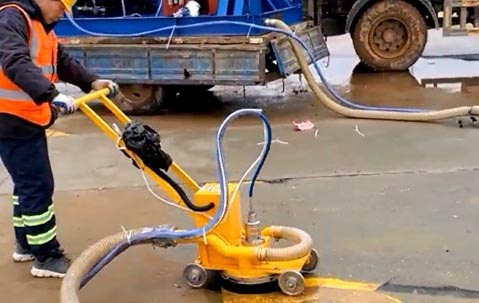
A standardized construction process
Standard workflows guarantee reliable cleaning results. The full process has four clear stages.
1. Pre-preparation
Teams survey the site first. They confirm marking types, pavement conditions and surrounding traffic. They write detailed construction plans. Workers prepare high-pressure marking removers, warning signs and waste collection trucks. They secure traffic control permits and notify nearby parties.
2. On-site traffic control
Crews follow the rule: close lanes first, then set controls. They install warning signs and barriers. They check PPE for all workers to keep the site safe.
3. Core marking removal
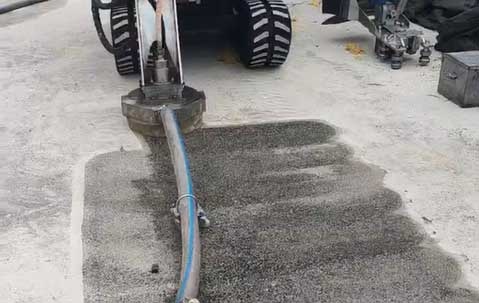
Workers clear debris and mark the edges of old lines. They tune water pressure, nozzle angle (15–30°) and travel speed (0.5–1 m/min). These settings clean markings precisely.
For stubborn paint, crews run repeated passes or light auxiliary milling. They take care to protect road joints from damage.
4. Final acceptance
Operators collect residues and recover wastewater. Inspectors check removal quality – residual marking must stay below 5%. Crews fix minor pavement scratches. Then they remove barriers, reopen traffic and close the acceptance checklist. All work must meet official standards.