Introduction
High‑pressure cleaning plays a key role in equipment maintenance for modern chemical plants. This guide covers how high‑pressure water jet cleaning works.
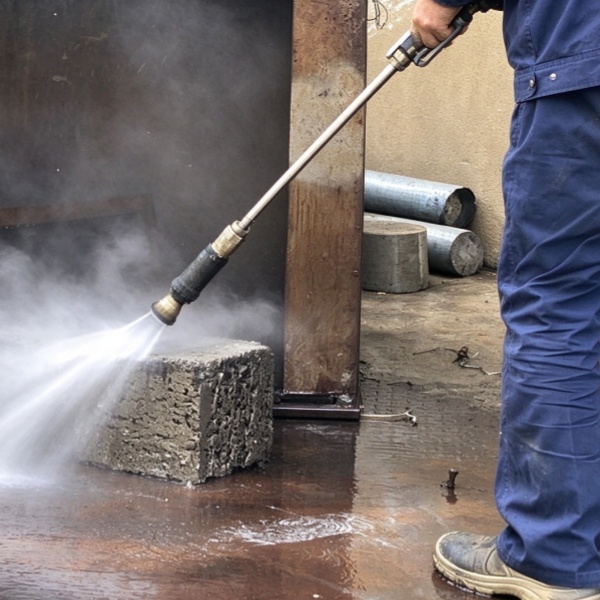
High‑pressure water jet cleaning pushes pressurized water through a nozzle at high speed. The fast water stream carries high energy and strong cutting power. Its impact and shear force strip dirt, rust, grease and tough deposits away. It uses no corrosive chemicals.
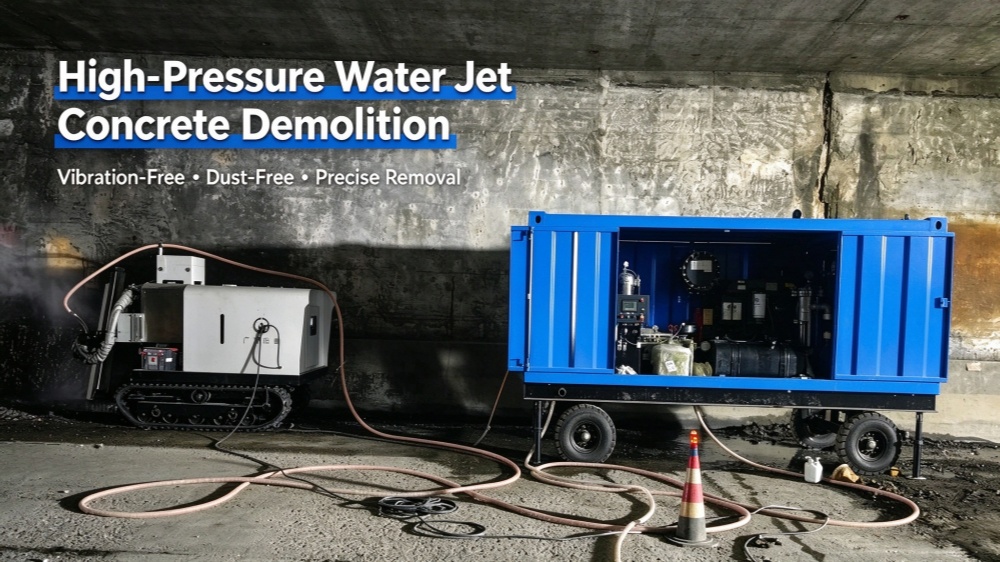
Many chemical facilities rely on this method. It works fast, stays eco‑friendly and will not corrode metal parts. It fits strict cleanliness rules for chemical equipment. Common jobs include cleaning reactors, heat exchangers, pipelines and storage tanks. It also removes paint and rust. The whole workflow depends on a full high‑pressure water jet cleaning system.
Core Components of High Pressure Water Jet Cleaning System
High Pressure Plunger Pump
The plunger pump acts as the heart of this cleaning system. It builds water pressure to your target level.
When the plunger moves outward, the inner chamber grows larger. It opens the inlet check valve and closes the discharge valve. Water flows into the pump chamber through the suction line. Once the chamber hits full volume, the suction valve shuts to stop backflow.
When the plunger pushes inward, chamber space shrinks and pressure rises. The discharge valve opens, and high‑pressure water flows toward the hose. A crank and connecting rod drive this repeating cycle. This steady motion draws in and pushes out high‑pressure water.
You adjust stroke speed and length to control flow output. Flow stays stable and mostly separate from working pressure. Plunger size and stroke count set the final flow rate. These adjustable pumps serve most chemical cleaning tasks well.
Power Drive & Water Supply System
You can power the high‑pressure pump with an electric motor or diesel engine. Pick your drive based on site conditions and mobility needs.
Electric units produce no exhaust and run quietly. They cost less to buy and maintain long‑term. They do need a stable power source on site. Diesel units move easily to remote locations. They deliver high torque for heavy cleaning jobs, yet create more noise and vibration. Their running cost is higher over time.
The water supply system feeds steady, clean water to your pump. It includes filters, booster pumps, water tanks and feed pipes. You must clean or swap filters on a routine schedule. Most pumps use bag filters or cartridge filters. Good filtration protects flow stability and keeps the machine safe.
Hoses, Lubrication & Control Parts
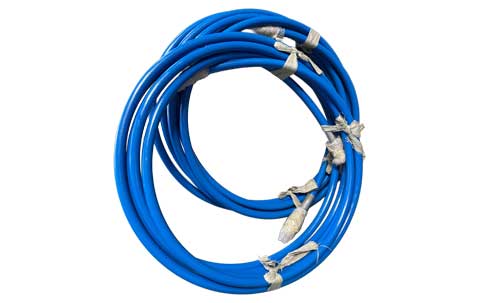
High‑pressure hoses use a three‑layer build. An inner polyethylene liner carries water. Braided steel wire handles pressure. A tough rubber outer layer fights wear. Wire‑wound hoses beat standard braided types for pressure resistance. More steel layers mean higher safe working pressure.
Test every new hose before field use. It must hold at least 1.5 times rated pressure for 30 minutes. This test prevents dangerous bursts on site.
The lubrication system protects moving pump parts. It cuts friction and extends pump service life. It holds an oil pump, heat exchanger, oil filter and pressure sensors. The heat exchanger moves excess heat into the water loop. It keeps oil within a safe temperature window.
Operators handle the high‑pressure gun and foot control valve directly. Both use overflow protection. When you pause cleaning, the valve releases built‑up pressure. This simple design shields workers and reduces component wear.
Nozzle Selection for High Pressure Water Jet Cleaning
The nozzle shapes the water jet and decides cleaning performance. It converts static water pressure into a fast, focused stream.
Nozzle shape and hole size change water speed. Higher pressure boosts jet impact force. Still, more pressure does not always mean better cleaning. Once the jet breaks deposits, extra pressure wastes power and strains the machine.
Set pressure high enough to break grime first. Then raise flow rate to finish cleaning safely and efficiently.
Choose nozzle hole direction based on your task. Forward holes deliver strong cutting power. Rear‑facing holes push the lance forward and flush away loose debris.
Use mostly forward orifices for hard, packed deposits with a rigid lance. For loose sludge inside curved pipes, pick more rear‑facing holes. They help a flexible hose advance smoothly through bends.
Special Types of Water Jet Cleaning
Abrasive Water Jet
Abrasive water jets mix standard high‑pressure water with hard grit such as quartz sand. The sand greatly increases cutting force. This jet breaks through extremely hard deposits that plain water cannot remove.
Cavitation Water Jet
Cavitation nozzles create tiny bubbles inside the water stream. These bubbles collapse when they hit a surface. The released energy strips coatings and grime away. It works well for surface preparation, paint stripping and underwater cleaning work.
Summary
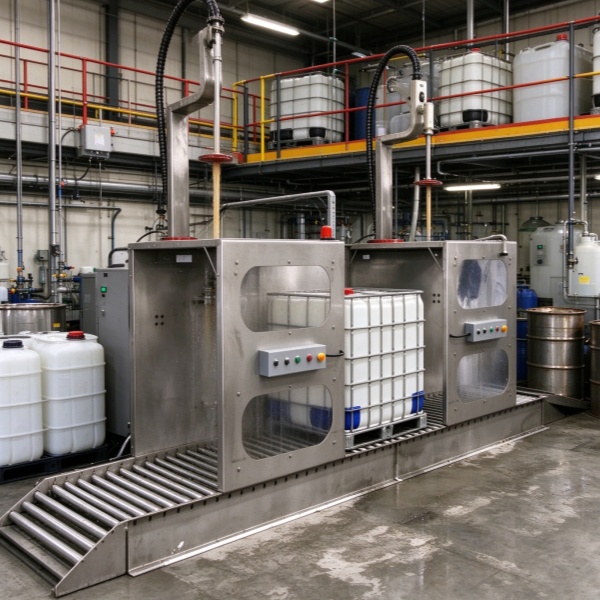
High‑pressure water jet cleaning delivers eco‑friendly cleaning for chemical plants, refineries and industrial workshops. Our team builds custom hydro blasting machines. We make units for heat exchangers, IBC tanks and pipeline cleaning.
Contact our engineering team if you want technical sheets or formal quotations.