Why Professional Ship Rust & Paint Removal Matters
Ship hull paint and rust removal is an indispensable part of marine vessel maintenance. It strips aged coatings, rust layers and surface contaminants from steel hulls. It creates a clean, stable and qualified base for subsequent anti-corrosion coating application.
Choosing a reliable method for large-area ship surface paint and rust removal directly improves hull anti-corrosion performance. It extends vessel service life and cuts long-term maintenance costs. With stricter global environmental rules and higher requirements for marine maintenance efficiency, shipyards and marine maintenance companies now prioritize eco-friendly, high-efficiency solutions for hull surface treatment.
Overview of Traditional Ship Rust and Paint Removal Methods
At present, traditional ship surface treatment technologies include manual rust removal, mechanical polishing, sandblasting, and chemical rust removal. Each method has obvious applicable boundaries and unavoidable limitations in large-scale hull operation scenarios.
Manual Rust Removal: Flexible but Low-Efficiency
Manual rust removal uses hand tools like scrapers, wire brushes and pneumatic hammers. It mainly handles local rust treatment, confined spaces and structural edge areas where large mechanical equipment cannot reach. Workers can clear light surface rust and partial thick rust by manual polishing and chiseling.
However, this method relies heavily on labor and delivers very low productivity, only 0.2 to 5 square meters per hour. Besides, it cannot fully remove mill scale. Therefore, it is not suitable for large-area, high-standard hull maintenance projects.
Mechanical & Sandblasting Rust Removal: Improved Efficiency with Defects
Semi-mechanical tools such as angle grinders and pneumatic needle scalers raise construction efficiency compared with manual work. They can remove most loose rust and old paint layers.
Even so, mechanical polishing cannot thoroughly eliminate mill scale. It often fails to meet standard hull surface roughness requirements. Traditional sandblasting and shot blasting use high-speed abrasives for impact cleaning. The cleaning effect is decent, but abrasives cannot be recycled. This process generates massive dust, causes severe on-site pollution and raises overall construction costs.
Chemical Rust Removal: Only Suitable for Workshop Batch Processing
Chemical rust removal dissolves rust substances through pickling and other chemical reactions. It delivers uniform treatment effects and suits batch processing of small ship parts inside workshops.
Nevertheless, this process demands strict safety protection and professional waste liquid treatment equipment. It carries high environmental pollution risks. It cannot adapt to on-site, large-area rust and paint removal operations for integral ship hulls.
High-Pressure Water Jet Rust Removal: Eco-Friendly with Partial Limitations
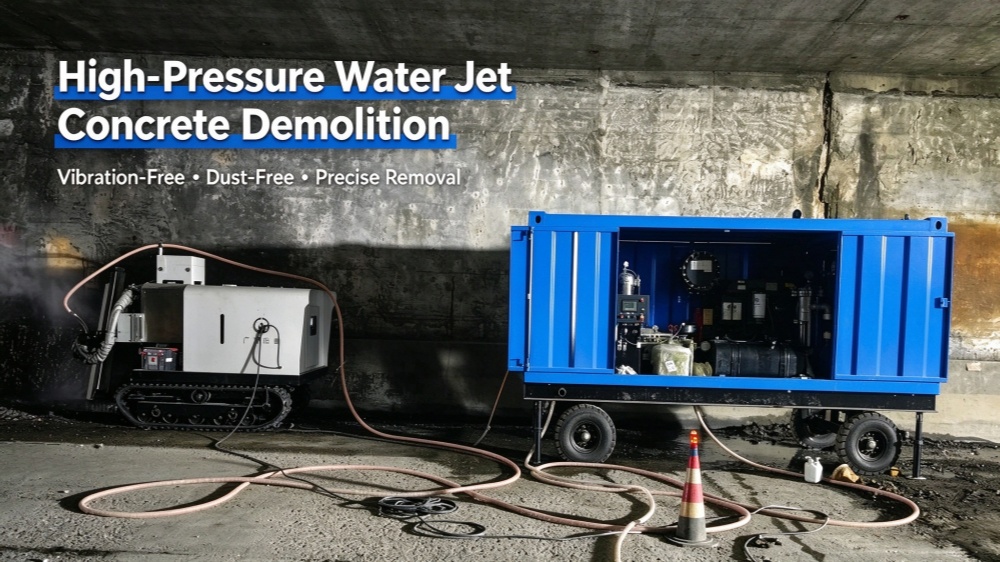
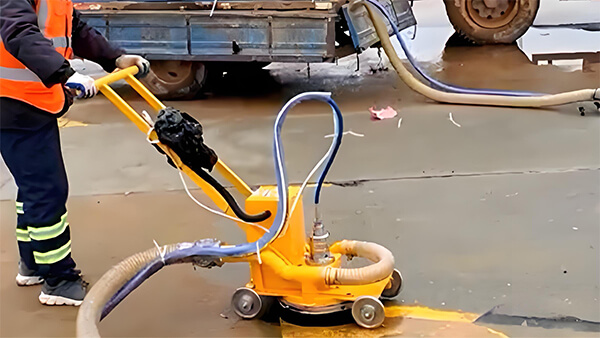
Conventional high-pressure water jet technology offers an environmentally friendly surface treatment solution. It uses high-speed water flow to strip paint and rust layers. It creates no dust pollution and will not damage steel substrates. The cleaning quality stays stable and reliable.
Its main disadvantages are high equipment investment and strict construction timelines. Crews must coat the hull steel plate right after rust removal to avoid secondary oxidation and re-rusting. This sets higher standards for on-site construction scheduling.
Ultra-High Pressure Water Jet Rust Removal Robot: Optimal Large-Area Ship Maintenance Solution
To solve the pain points of low efficiency, heavy pollution and unstable quality in traditional processes, the ultra-high pressure water jet ship rust removal robot becomes the upgraded preferred solution for modern large-area ship hull paint and rust removal.
It comes with professional ultra-high pressure water jet systems and automatic climbing devices. The robot adapts to complex hull surfaces and high-altitude construction scenarios, and completes fully automated unmanned operation.
In terms of construction performance, the equipment achieves high working efficiency of 50 to 75 square meters per hour. It steadily meets the international Sa2.5 rust removal standard. It fully satisfies high-grade anti-corrosion coating requirements for large cargo ships, container ships and engineering vessels.
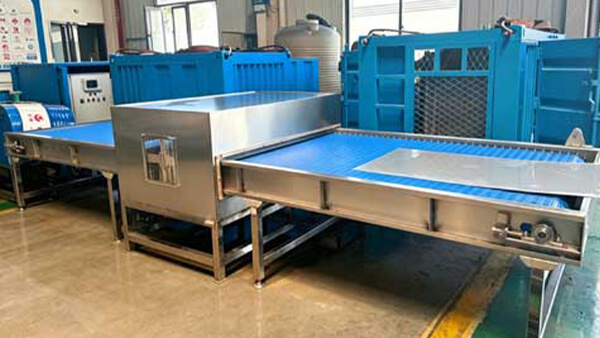
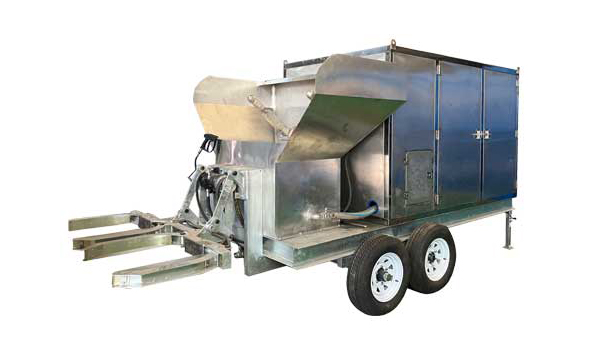
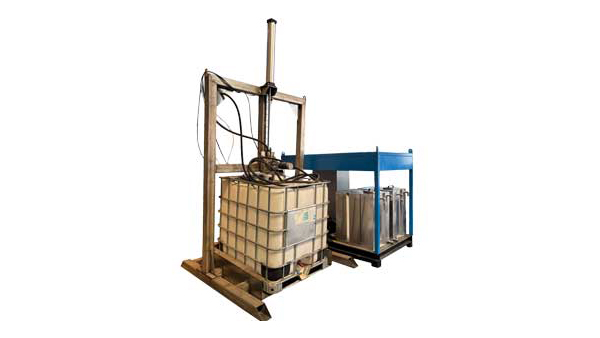
Furthermore, for environmental protection, it matches with a complete vacuum recovery and sewage discharge system. The system centrally collects on-site wastewater and waste residue. Treated water can be recycled. It achieves zero dust emission and zero wastewater runoff pollution.
Future Trend of Marine Hull Surface Treatment
Compared with traditional manual, mechanical, sandblasting and chemical methods, the ultra-high pressure water jet rust removal robot balances high efficiency, high cleaning quality, environmental safety and controllable cost. It effectively solves common problems of low output, environmental pollution and unqualified surface treatment in large-area ship maintenance.
As green marine engineering becomes the mainstream trend of the global shipping industry, intelligent and eco-friendly hull rust removal technology will gradually replace traditional processes. It will become standard equipment for professional ship maintenance and shipyard surface treatment.
According to International Maritime Organization (IMO), green maintenance is the future of shipyard operation.
For more equipment details, read our article about ultra high pressure water blasting machine for marine cleaning.
If you are looking for reliable equipment for large-area ship surface paint and rust removal, contact Guangyuan Cleaning Equipment today. Our ultra-high pressure water jet rust removal robot provides automated, eco-friendly hull treatment solutions for shipyards and marine maintenance companies worldwide. Get your free quote now.